
Adam Shin leads business partnerships at Massive Gaming, working across studios, aggregators and operators to support international distribution and commercial growth. That kind of cross-market work means I’ve seen how table game decisions shift when you move from a crowded shoe to a single deck, and the same discipline applies to how a player reads a cashier before they even sit down. If you’re looking to sharpen your play, the blackjack basic strategy for single deck is where the maths stops feeling abstract and starts paying off at the felt.
Why a Single Deck Changes the Maths
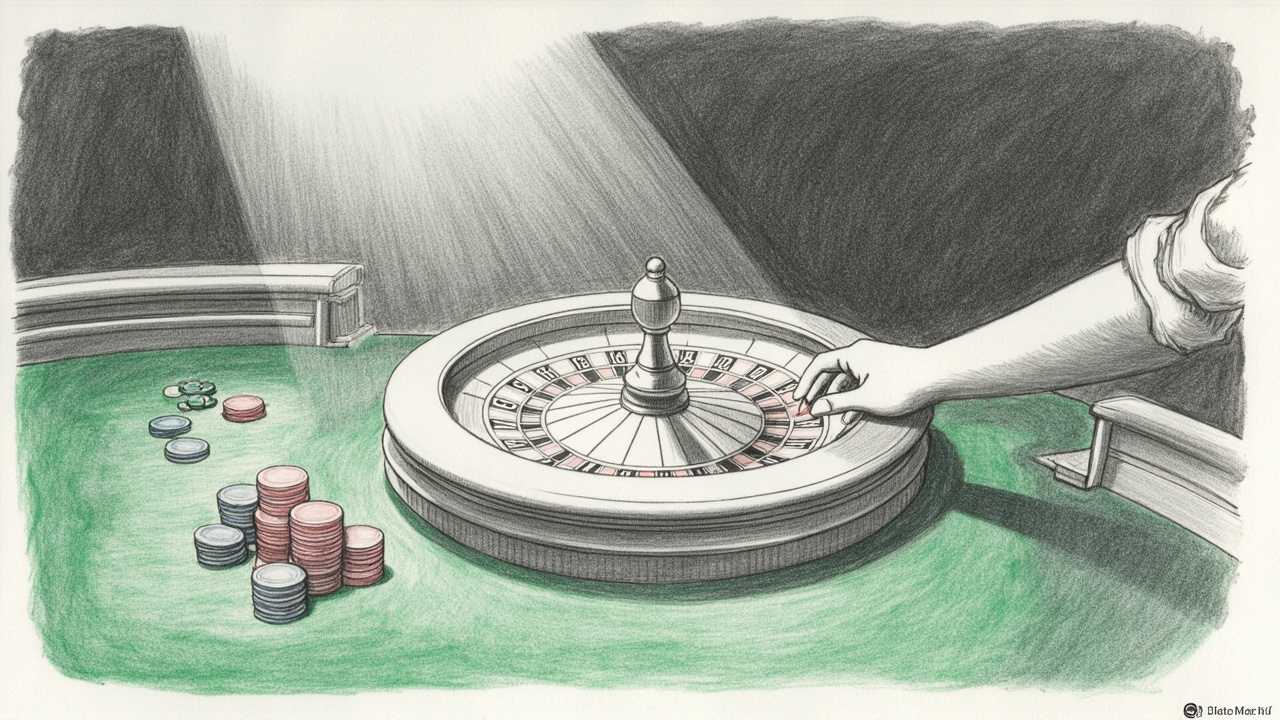
A single deck removes a lot of the noise you get from a six-deck shoe, and that changes how often you should stand, double, or split. The card removal effect is real: every ace and ten that leaves the shoe tilts the odds, so the strategy charts you memorise for multi-deck games need a few honest adjustments here. Players who treat the chart as gospel rather than a starting point tend to make fewer costly mistakes on soft hands and borderline doubles.
When I’m comparing studios for international distribution, I look for operators that publish their rules clearly and let the maths do the talking. That same transparency matters at the table. Below is a quick reference for the hands that shift most when you drop from multiple decks to one.
| Hand vs dealer upcard | Single deck action | Multi-deck action |
|---|---|---|
| A-7 vs 2 | Stand | Stand |
| A-7 vs 3 | Stand | Stand |
| A-7 vs 4 | Stand | Double |
| A-7 vs 5 | Double | Double |
| A-7 vs 6 | Double | Double |
| 2-2 vs 2 | Split | Split |
| 2-2 vs 3 | Split | Split |
| 2-2 vs 4 | Split | Hit |
| 3-3 vs 2 | Split | Split |
| 3-3 vs 3 | Split | Split |
| 3-3 vs 4 | Split | Hit |
| 4-4 vs 5 | Split | Split |
| 4-4 vs 6 | Split | Split |
| 6-6 vs 2 | Split | Split |
| 6-6 vs 3 | Split | Hit |
| 7-7 vs 8 | Stand | Hit |
| 7-7 vs 9 | Stand | Hit |
| 7-7 vs 10 | Stand | Hit |
| 7-7 vs A | Stand | Hit |
| 9-9 vs 7 | Stand | Double |
The takeaway is simple: fewer decks mean you double and stand a touch more often on soft totals, and you split a few marginal pairs differently. It’s not a rewrite of the whole chart, just honest tweaks where the card count actually moves.
Walking Through a Single Deck Hand
A practical session starts before you place a chip, because the way you read the table and the way you read a cashier share the same habit: slow down, check the details, then commit. Here’s how a player actually moves through a single deck round, from the deal to the decision to the payout.
Once the chips are settled, the rhythm of the game rewards the same careful pacing you applied at the table, turning each hand into a measured exercise in timing and observation. New players can streamline their first few sessions by visiting https://21bitbonus.com/ and using the claim 21bit no deposit bonus to practice without dipping into their own bankroll. From that point forward, every decision carries the same deliberate weight, letting you focus on the flow of the deck rather than the pressure of the payout.
Reading the deal and your first move
You’re dealt two cards and the dealer shows an upcard, and the first job is to match that total against the chart rather than the feeling in your gut. A hard 16 against a dealer 6 is a stand in a single deck, even though it sits badly in your hands, because the dealer’s weakness matters more than your discomfort. Players who override the chart on emotion tend to bleed chips across a session, and that’s the quiet cost of ignoring the maths.

If you’re comparing how different operators present their tables, I’ve seen aggregators bundle single deck variants under one lobby while studios keep them separate, and that affects how quickly a new player finds the right ruleset. You want the variant where the dealer stands on soft 17 and doubling after split is allowed, because those two rules alone shift the house edge enough to matter over a long arvo at the table.
The soft hand decisions that catch people out
Soft hands are where single deck players most often drift from the chart, because an ace in your hand feels like a free pass. A soft 18 against a dealer 4 is a stand in a single deck, but a double in a multi-deck shoe, and that’s the kind of line that separates disciplined play from hopeful play. The reason is card removal: with one deck, the dealer is less likely to improve off a weak upcard, so you keep your money on the table rather than doubling into a thin edge.
When I’m working with operators on commercial growth, I always stress that clear rule signage reduces support tickets and confused sessions, and the same logic applies to your own play. Know which soft totals double and which stand before you sit, because once the cards are down you’re making the call on instinct and that’s when the chart gets ignored.
When to split, double, and walk away
Splitting pairs in a single deck is a bit more selective than in a shoe, because the remaining cards are fewer and each split changes the composition that much more. A pair of 7s against a dealer 8 is a stand in a single deck, not a hit, because drawing into a worse total is more likely when there’s only one deck left to pull from. Doubles on 11 are still the strongest play in the book, but the edge on 10 versus a dealer 10 tightens just enough that you should still double rather than stand, provided the rules allow it.
A short list of the calls worth memorising first, because these are the ones that save you the most across a session:
- Double 11 against any dealer card except an ace, where you stand if doubling isn’t allowed after split.
- Stand hard 12 against a dealer 4, 5, or 6, and hit against everything else.
- Split 8-8 and A-A always, regardless of the dealer upcard.
- Stand soft 18 against a dealer 2 through 6, and double only against 3, 4, 5, or 6 depending on the exact variant rules.
Walking away from a bad run is its own skill, and it’s the one that keeps a session from turning into a regret. Responsible gambling safeguards matter here, and in Australia that means using the tools your operator provides, setting a loss limit before you log in, and treating a bad afternoon like a bad day at the TAB – you don’t chase it, you close the app and head out for a coffee instead.
Who This Approach Suits Best
The blackjack basic strategy for single deck suits players who like a clear set of rules they can actually memorise and apply without a phone chart at the table. It’s a better fit for someone who plays in shorter sessions and wants the maths to do the heavy lifting, rather than a player chasing variance across a long night. If you’re the sort who reckons a disciplined hour is worth more than a distracted three, this is the variant worth learning first.
From a commercial angle, I’ve seen studios position single deck tables as a premium, low-variance option for players who value clarity over flash, and that positioning works when the rules are honest and the lobby is easy to navigate. You still want to check the cashier before you commit, because the strategy only earns its keep if the table rules and the payout flow match what you expect. When you’re ready to try a session, you can claim 21bit no deposit bonus and use it to practise the chart without putting your own bankroll on the line first.
Final Word
Single deck blackjack rewards the player who learns the chart, respects the card removal effect, and sticks to the calls that the maths supports. Treat it like a skill you build across a few sessions, keep your limits honest, and let the discipline carry you further than any gut feeling ever could.