
If you have ever watched a spin drag on past the arvo tea break, you have probably wondered where the numbers actually sit. The conversation around 96 percent rtp odds keeps coming back to that same question: how much of each wager returns over time, and what that means for the shape of a session. It is not a promise of a win, and it is not a guarantee of a withdrawal. It is a statistical expectation, and that distinction matters more than the marketing copy on any landing page. When you read through the insights in thepokies.net review, the same point keeps surfacing: return-to-player figures describe long-run behaviour, not the next ten minutes at the screen. That is the lens we are using here, with a Queensland-coast kind of patience and no hype attached.
How the percentage actually behaves at the table
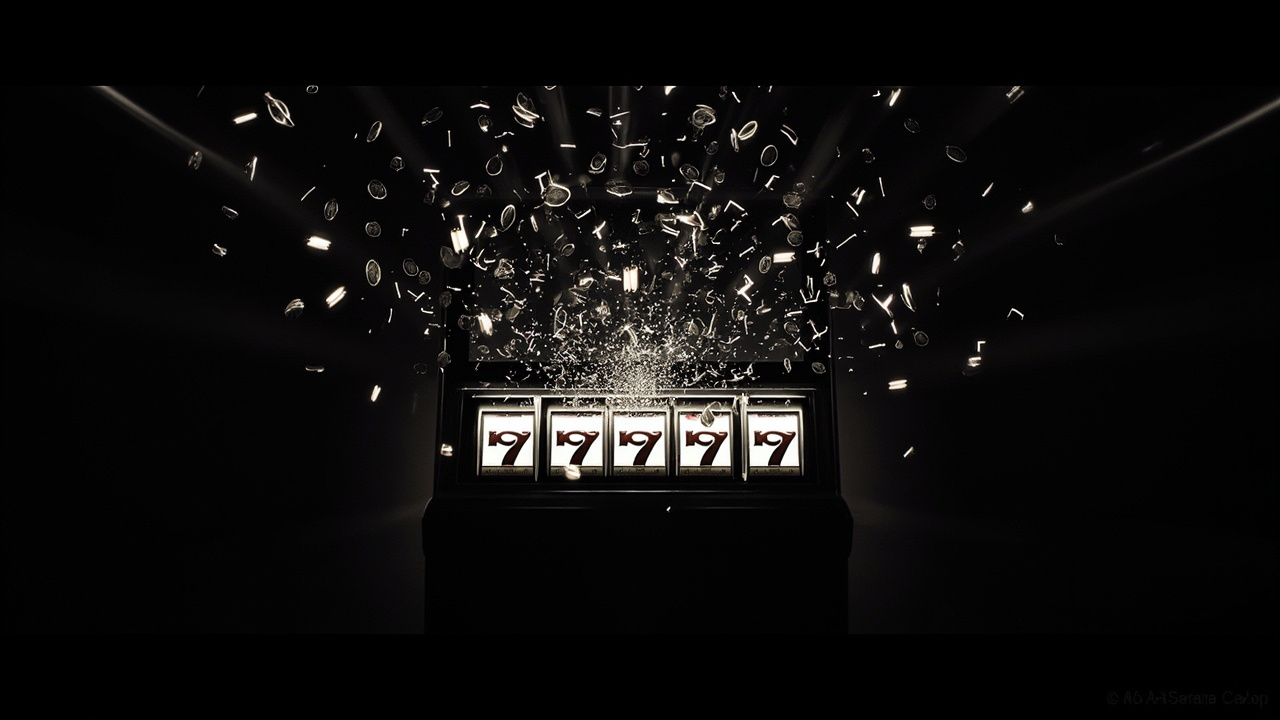
A return-to-player figure is a theoretical average built across thousands of spins or hands, not a live balance that corrects itself after a bad run. When a game is described with 96 percent rtp odds, the idea is that, over a very large sample, ninety-six cents of every dollar wagered would be paid back as winnings, with the rest covering the house edge. That is the plain maths, and it does not care whether you are playing on a laptop in Brisbane or a phone on the Darwin waterfront at dusk. State-level regulators in Australia keep a close eye on how these figures are presented, and the rules around advertising are fairly strict about not implying that a percentage translates into a predictable session outcome. The practical takeaway is simple: a higher figure can mean slightly less drain over a long, steady session, but variance still runs the show on any given night. If you are the sort who likes to keep a tally and walk away while the numbers are still talking nicely, that expectation is worth knowing before you press spin.
What 96 percent rtp odds actually offers day to day
The brand positions itself around a tighter loop between game selection and session control, rather than chasing the loudest bonus headline on the page. The library leans on a mix of video slots and a handful of table titles, with the slot side carrying most of the RTP discussion because that is where the return figure is usually published in the paytable. Registration is straightforward, with an email, a password, and the usual age and location checks before you can deposit, and the whole flow is built to work on mobile without asking you to pinch and zoom through a clunky menu. Bonuses are tied to clear wagering terms rather than hidden multipliers, and the currency display defaults to dollars for local players, which keeps the numbers readable when you are checking a balance between tasks. Support sits behind a ticket system and a live chat window that opens during the evening hours, which is about right for a platform that is not pretending to be open around the clock. The loyalty side is modest: a points tally that converts into small perks rather than a tiered programme that demands a spreadsheet to track. None of this is revolutionary, but the consistency is the point, and that is what separates it from operators that scatter your attention across a dozen competing messages.
Where the numbers meet the real world
I have spent enough time around gaming tech to know that a published percentage and the feel of a session are not the same thing, and two people who work in the space have said as much in different words. Liam Lewis, Managing Partner, Pacific Player Protection Institute, puts the company’s resource it bluntly: “A return figure tells you about volume over time, not about what happens when you sit down for a single quiet session.” That is the kind of caveat that gets lost when a percentage is turned into a slogan. Cooper Stewart, Strategy Director, Federation Betting Insights, adds that the practical value of a higher RTP sits in session planning rather than in any expectation of a turnaround: “If you are using the number to decide how long to stay and how much room you have got, it is useful; if you are using it to predict a win, it is not.” Olivia Bennett, Gaming Technology Consultant, Australian Gaming Futures, notes that the display of these figures has improved on the transparency front, but she warns that the underlying volatility still decides whether a ninety-six percent game feels smooth or choppy on a given evening. The Darwin detail matters here too: a player checking a balance with the humidity still hanging around after a late arvo spin is not playing in a different mathematical universe, but the local context does shape how long people stay and what they expect from a session.insights in thepokies.net review
Reading the fine print without the headache
The bits that actually matter are usually tucked into the terms rather than the hero banner, and that is where a calm read pays off. Wagering requirements on bonuses should be stated in plain numbers, with the game weighting clear enough that you can see whether a slot counts fully or only partially. Payment timing is another spot where consistency beats promises: a platform that says it processes withdrawals on a set schedule is easier to plan around than one that talks about fast payouts without naming the window. Currency matters as well, because a dollar display that matches what you deposited removes a layer of confusion when you are checking a balance on the move. The mobile experience should hold up without forcing you to switch to a desktop just to find the paytable or the bonus terms, and the support channel should be reachable when you actually need it, not just when the marketing team is online. If you are comparing options, the daily telegraph has covered the broader landscape of how Australian players approach these choices, and it is worth reading that coverage with the same sceptical eye you would bring to any promotional page. The point is not to find a perfect operator, because that is not how this space works, but to pick one whose numbers and terms you can actually read without a second degree.
Checklist before you settle in

- Check the paytable for the published RTP and note the volatility, because the two together tell you more than the percentage on its own.
- Read the bonus terms for wagering multiples and game weighting before you claim anything, and keep the numbers in front of you while you play.
- Confirm the withdrawal window and the currency displayed, so you are not surprised by a timing delay or a currency conversion you did not expect.
- Test the mobile flow on the device you actually use, including the paytable and the support button, before you put money in.Dailytelegraph
- Set a session limit that matches the maths rather than the hope, and treat the RTP figure as a planning tool, not a prediction.
If you are the sort who likes a game that keeps its numbers visible and its terms readable, 96 percent rtp odds is built around that kind of straightforward session play rather than a loud promise of a turnaround. The percentage is useful when you use it honestly, and less useful when you ask it to do a job it was never designed for. What do you reckon matters more in a session: the published return figure, or the volatility and the terms sitting behind it? If you have a take on that, drop it in the comments or pass the piece along to a mate who is always asking where the maths actually sits.